

Belgian Prime Minister Bart De Wever has resisted the idea, warning that Belgium could face legal consequences if Russia sues in response. About €210 billion ($245 billion) in Russian assets are immobilised across the EU
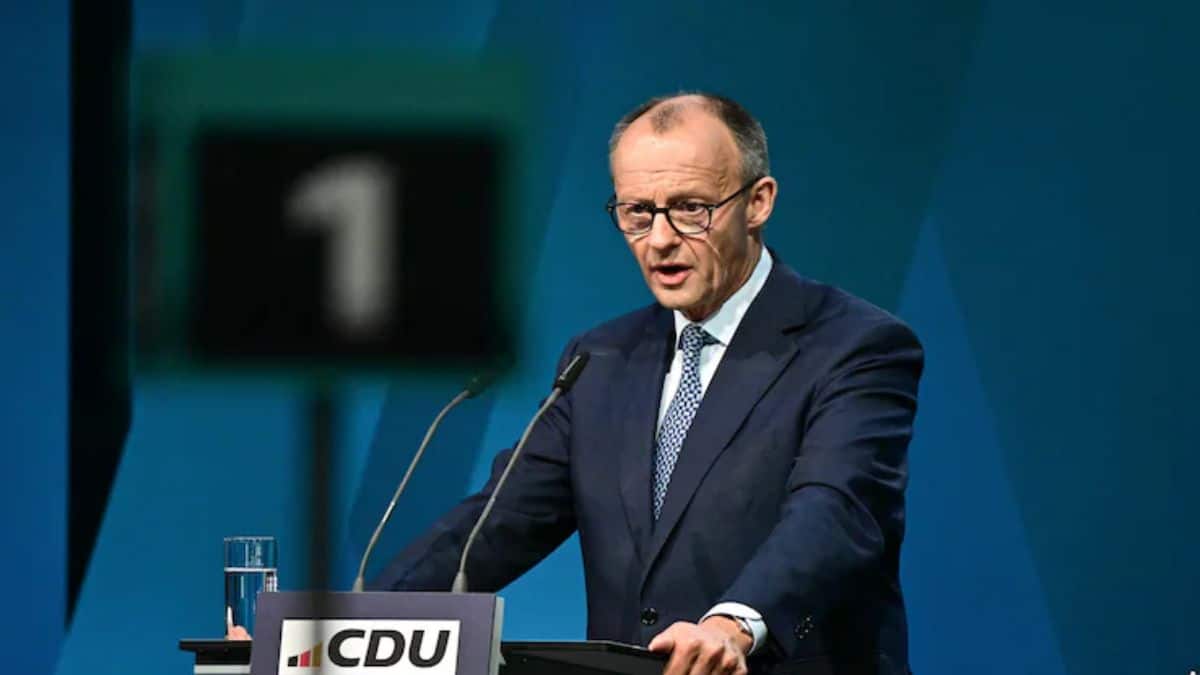
German Chancellor Friedrich Merz and European Commission President Ursula von der Leyen intensified pressure on Belgium on Friday to support an EU plan to use Russian central bank assets frozen in Belgium to fund Ukraine.
Belgian Prime Minister Bart De Wever has resisted the idea, warning that Belgium could face legal consequences if Russia sues in response. About €210 billion ($245 billion) in Russian assets are immobilised across the EU, most of them held at Brussels-based Euroclear.
STORY CONTINUES BELOW THIS AD
The timing of the meeting between Merz, von der Leyen and De Wever is critical, as Ukraine is projected to run out of money early next year. With President Donald Trump’s administration cutting off most US aid, Europe now carries most of the responsibility for funding Kyiv.
More from World
“We agreed that time is of the essence given the current geopolitical situation,” von der Leyen wrote on social media after the meeting. “Financial support for Ukraine is of central importance for European security.”
EU leaders are set to meet in Brussels on Dec. 18 in an effort to reach a consensus on the asset proposal.
Loan plan and diplomatic tensions
The European Commission’s plan to issue a €90 billion loan to Ukraine, backed by Russian assets, would still leave Kyiv with an estimated €45 billion budget gap through 2027. Officials said the loan amount could change and that they are looking to allies to help fill the remaining shortfall.
Belgium is not the only challenge. The US has been lobbying several European countries to block the proposal.
US officials have argued that the frozen assets should be preserved to help secure a peace deal between Kyiv and Moscow and should not be used in ways that could prolong the war. Bloomberg previously reported that an earlier Washington peace plan — since modified — proposed using the assets to fund US-led postwar investments.
STORY CONTINUES BELOW THIS AD
European leaders have insisted that decisions on the funds must remain in Europe, since the assets are overwhelmingly held within EU borders. There is “no possibility of leaving the money we mobilise to the US,” Merz said earlier this week.
Belgium seeks guarantees as EU debates alternatives
Merz, who has strongly advocated using the Russian assets to support Ukraine, said he takes De Wever’s concerns “very seriously” and aimed to address them at Friday’s meeting.
“I don’t want to persuade him, but rather convince him,” he said Thursday evening in Berlin after talks with German regional leaders. “If we take this path, we will do so to help Ukraine, possibly for the next two to three years.”
De Wever has called for legal guarantees, liquidity protection and a fair distribution of risk among EU member states.
“Belgium’s particular situation regarding the use of the frozen Russian assets is undeniable and must be addressed in such a way that all European states bear the same risk,” von d