

Opinion
Bret Stephens
January 24, 2026 — 5:30am
Decades before the Swiss village of Davos became famous as a pilgrimage site for global elites attending the annual meeting of the World Economic Forum, it was best known as a destination for well-to-do invalids seeking respiratory relief in the crisp Alpine air. It was that reputation that brought Thomas Mann to Davos (where his wife was convalescing) for a three-week visit in 1912, inspiring his great novel The Magic Mountain, published 12 years later.
The book is set in the years before World War I, and one of its aims is to address the moral and psychological unraveling of European civilisation on the eve of its catastrophe. At its heart lies a long argument between two fiercely held and fatally flawed worldviews. The first is represented by the character of Lodovico Settembrini, an earnest but naive pacifist and internationalist. The second comes from Leo Naphta, a proto-totalitarian figure who thinks that the ideals of freedom are an illusion and that humanity’s “deepest desire is to obey”.
Both men are dying of tuberculosis. In the book’s climactic scene, they face off in a duel in which Settembrini fires his gun in the air and Naphta shoots himself — emblematic of the soft liberalism that lacks the nerve to defend its values, and the despotic will to power that ultimately destroys itself.
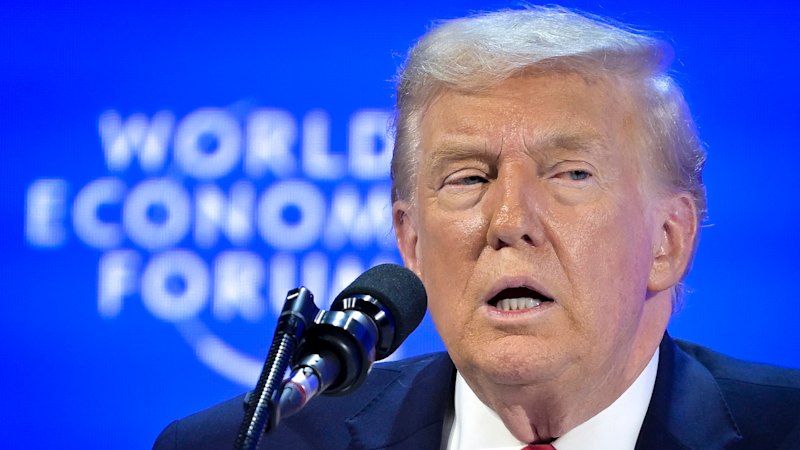
That could almost be Davos this week. Officially, the theme of this year’s meeting was “A Spirit of Dialogue” — emollient pablum to suit a modern-day Settembrini. Unofficially, we have entered the territory of Naphta — of open menace
Read More