

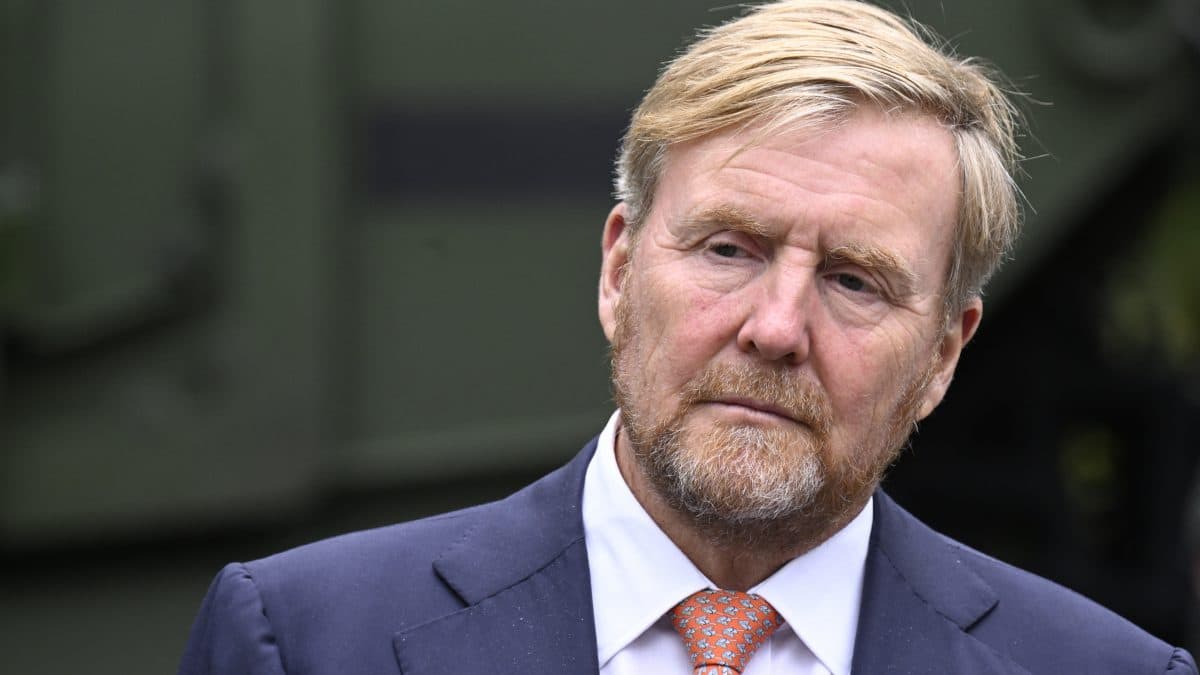
The monarch made the apology back in 2023 but it was accepted during a meeting and ceremony behind closed doors Monday in Paramaribo, the Surinamese capital, according to the state-run Suriname Communication Services (CDS)
Representatives of the descendants of African slaves and Indigenous peoples of Suriname on Monday formally accepted an apology from visiting King Willem-Alexander of the Netherlands for widespread slavery during Dutch colonial rule.
The monarch made the apology back in 2023 but it was accepted during a meeting and ceremony behind closed doors Monday in Paramaribo, the Surinamese capital, according to the state-run Suriname Communication Services (CDS).
“We accept the apology and the request for forgiveness with the full conviction that the king, with a clear conscience, wishes to cooperate in healing and restoration,” said Wilgo Ommen, representative of the Indigenous communities.
Willem-Alexander arrived in Suriname on Sunday with Queen Maxima, a week after the small South American country marked 50 years of independence from the Netherlands.
STORY CONTINUES BELOW THIS AD
The three-day visit is the first by members of the Dutch royal family in nearly five decades.
Earlier in the day, the Dutch monarch vowed that the topic of slavery would not be off-limits during his visit to the former colony, where the practice ended just over 150 years ago.
“We will not shy away from history, nor from its painful elements, such as slavery,” Willem-Alexander said.
Slavery was formally abolished in Suriname and other Dutch-held lands on July 1, 1863, but only ended in 1873 after a 10-year “transition” period.
The Dutch funded their “Golden Age” of empire and culture in the 16th and 17th centuries by shipping about 600,000 Africans as part of the slave trade, mostly to South America and the Caribbean.
At a meeting with Surinamese President Jennifer Geerlings-Simons on Monday, the k