

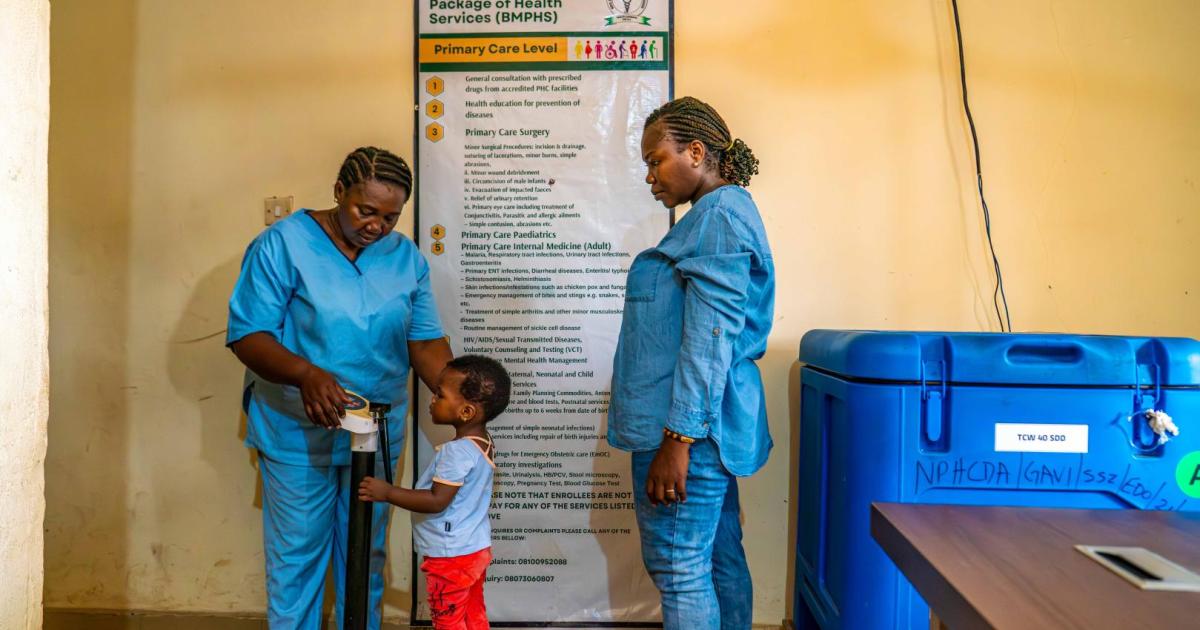
Abuja – Every month at the Primary Health Care Centre in Ugbor, Oredo Local Government Area, Edo State, in southern Nigeria, mothers gather with their babies for routine immunization and growth monitoring services. Among them is Mrs Shegu Ritawaits who arrived one morning with her eight-month-old child expecting a routine clinic visit.
But that day, the interaction went beyond immunization. Alongside routine checks, a health worker demonstrated how simple activities such as talking, singing, playing, smiling and responding to a baby’s cues can support learning and development during the earliest years of life.
“I did not know that talking and playing with my baby could help her learn,” said Mrs Shegu. “Now I try to do it every day, even when I am cooking or washing clothes.”
The early years of life are a critical period for brain development and lay the foundation for lifelong learning, health and productivity. Nurturing care during this period helps children develop the cognitive, language, motor, social and emotional skills they need to thrive. However, poor developmental outcomes continue to affect an estimated two-thirds of children in sub-Saharan Africa, underscoring the need for stronger support for caregivers and young children.
Investments in nurturing care, including health, nutrition, responsive caregiving, early learning, and child protection, are essential to ensure that Nigerian children survive, thrive, and reach their developmental potential. Despite progress, millions of young children remain at risk of developmental delay due to preventable social, economic, and health-related factors.
Primary health care as a platform for nurturing care for early childhood development
This was the focus of discussions during a World Health Organization (WHO)-convened high-level panel on nurturing care at the Africa Primary Health Care Forum (APHCF) 2026 in Abuja. A total of 513 participants from six countries attended the forum
Participants agreed that primary health care is one of the most effective platforms for delivering nurturing care services to pregnant women, caregivers, infants, and young children, while facilitating collaboration with other sectors for coordinated action.
“Primary health care remains the government platform with the widest and most consistent contact with pregnant women, caregivers and youn