

Kolkata: The unfolding crisis within the TMC presents one of the most unusual paradoxes in recent West Bengal history: a simultaneous fragmentation of the party’s legislative and parliamentary wings – each charting sharply divergent ideological directions, yet both claiming to represent the “real” political essence of the organisation.
The majority of MLAs, who formed the breakaway faction of the TMC’s legislative party and secured legitimacy in the state assembly, vowed “constructive opposition” and simultaneously positioned themselves against the BJP’s politics in Bengal, while the rebel Lok Sabha parliamentarians of the party followed suit five days later, only to pledge their allegiance to the BJP-led NDA.
Also read: Arrested TMC leader Jahangir Khan remanded to 5 days police custody by court
Both factions sought to legitimise their actions by invoking the cause of broader “development of Bengal”, contending that the state’s progress had been “impeded” during the Mamata Banerjee regime.
On June 3, expelled MLA Ritabrata Banerjee, backed by a bloc of 58 of 80 TMC legislators – more than the two-thirds needed for legislative identity – secured recognition from Assembly Speaker Rathindra Bose as the Leader of the Opposition, formally crystallising a breakaway faction within the legislature.
The group, while asserting autonomy from the party’s central leadership – mainly its national general secretary Abhishek Banerjee – struck an aggressive political posture, declaring its intent to serve as the principal opposition force in the House.
“We will deliver constructive opposition on the floor of the House, which won’t be opposition for the sake of opposition like before. It will be an opposition for the sake of Bengal’s development. Politically, we will not grant an inch to the BJP,” Ritabrata had told reporters.
Yet just five days later, on June 8, a dramatically similar, yet ideologically divergent, development emerged in Delhi.
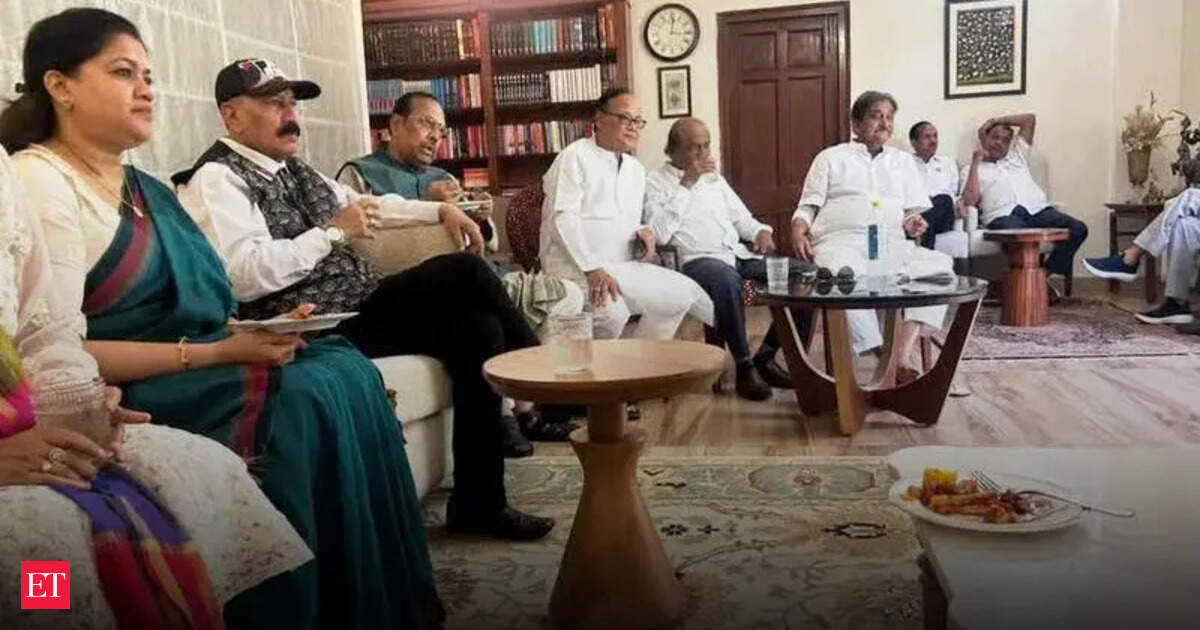
A section of TMC’s parliamentary unit, reportedly comprising 20 of the 28 Lok Sabha MPs led by Kakoli Ghosh Dastidar, submitted a communication to LS Speaker Om Birla expressing alignment with the BJP-led NDA, leaving Mamata Banerjee rudderless in the country’s highest citadel of democracy.
The move signalled a split within the party’s national representation and an unexpected ideological drift towards the ruling coalition at the Centre.
“We have accepted the people’s verdict and believe that our future political course should be aligned with NDA,” Ghosh Dastidar said.
The two developments expose a rare organisational contradiction: one faction of the same party positioning itself as a combative anti-BJP opposition in the state, while another appears to be gravitating toward alignment with the BJP at the national level.
The result is not merely organisational disunity, but a deeper ideological incoherence that risks redefining what “opposition” means within the TMC’s fractured structure.
The contradiction underscores the growing asymmetry between state and national politics in India’s federal party system.
Political analyst Subhomoy Maitra said the explanation to the paradox may lie in the cradle of parliamentary de
Read More