

Delivering a major blow to President Donald Trump, the Supreme Court on Tuesday blocked his contentious attempt to limit citizenship at birth for those born on US soil.
The court, divided 6-3, ruled that the executive order Trump issued January 20, 2025, the first day of his second term, was unlawful. Five justices said the order fell foul of the Constitution’s 14th Amendment, which has long been interpreted to bestow birthright citizenship on almost anyone born in the United States. One justice, conservative Brett Kavanaugh, said the order violated federal law but not the Constitution.
It is the third significant Supreme Court loss for Trump in recent months, following the February ruling that invalidated his sweeping tariffs and Monday’s decision that barred him from immediately firing Lisa Cook from the Federal Reserve. The court has a 6-3 conservative majority, including three justices Trump himself appointed, and has ruled in the president’s favour in other important cases.
Know the news with the 7NEWS app: Download today Arrow
Trump’s order sought to radically reinterpret the 14th Amendment, which states: “All persons born or naturalised in the United States, and subject to the jurisdiction thereof, are citizens of the United States.”
Under his proposal, birthright citizenship would have been limited to those with at least one parent who is a US citizen or permanent resident. Babies born to temporary visitors or people who entered the country illegally would not be citizens at birth.
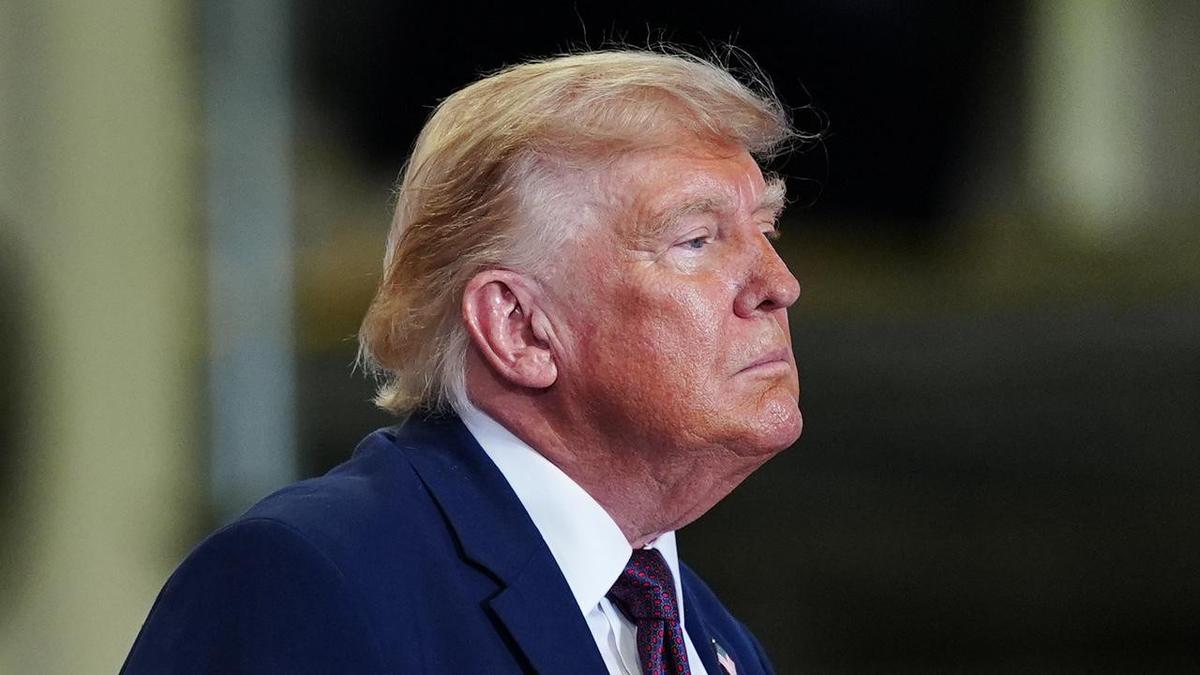
Donald Trump has suffered another major loss in the Supreme Court. (EPA PHOTO) Credit: AAP The executive order was quickly blocked by lower courts and has never been in effect.
The 14th Amendment’s citizenship clause was ratified after the Civil War to ensure that formerly enslaved Black people have equal rights. For more than a century, it has been assumed to apply to everyone born in the US with a few specific exceptions, such as the children of diplomats.
A federal immigration law enacted decades later uses similar language, including “subject to the jurisdiction thereof.”
The Supreme Court, in an 1898 ruling called United States v. Wong Kim Ark, ruled then that a man born in San Francisco to parents who were both from China was a US citizen.
Trump’s executive order was challenged in multiple courts by liberal states and civil rights groups representing individuals who would be affected by it. Every court to address the issue ruled against the Trump administration.
In December, the Supreme Court agreed to hear a case arising from New Hampshire in which the American Civil Liberties Union represented individual plaintiffs, including babies who would have been subjected to the executive order.