

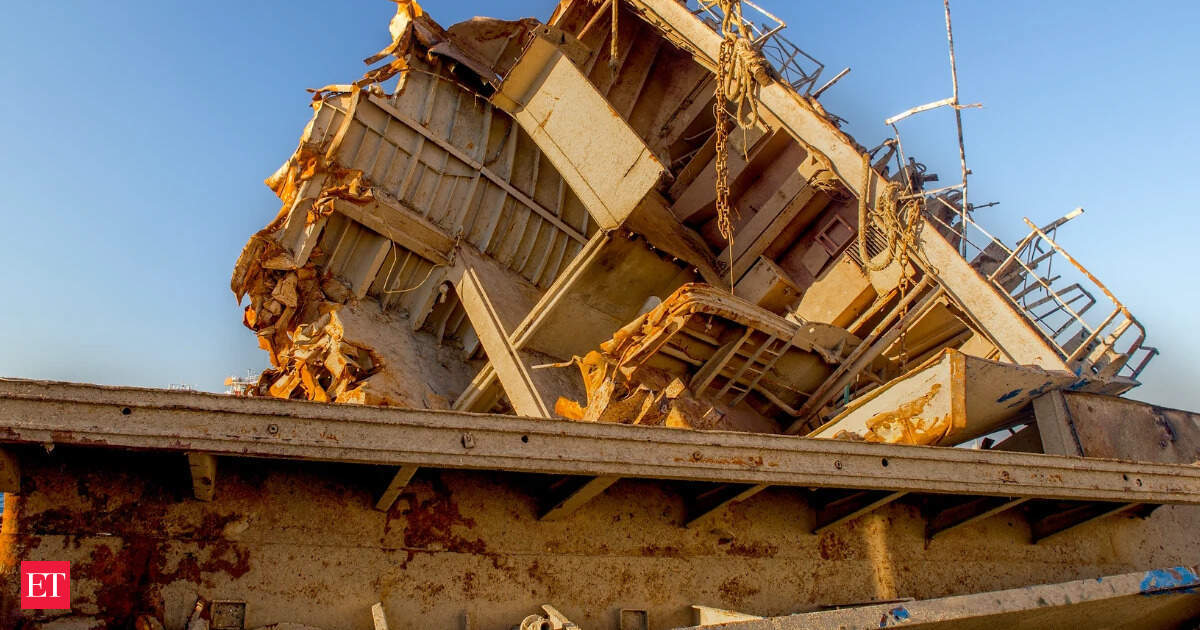
While Bangladesh has signed up to international safety rules on scrapping ships – it recycles about a third of the world’s commercial vessels – experts say a lack of enforcement and implementation are big issues that have deadly consequences.
While investigations are still ongoing, industry experts pointed to an accident in southeast Bangladesh this month in which 10 people were killed when toxic gas leaked from a ballast tank of a liquefied natural gas tanker that was being broken up.
Read more – Suzlon secures 250 MW order from Torrent Green Energy
“This tragic accident reveals a significant gap between certification on paper and the real conditions on the ground, as well as weaknesses in implementation and enforcement of global standards at the national level,” said Sara Rita da Costa, South Asia policy officer at Brussels-based NGO Shipbreaking Platform, a coalition of environmental and labour rights groups.
“The latest accident presents a stark lesson that failing to improve the enforcement of rules can kill so many workers in the yards,” said ASM Shafiul Alam, the head of the Bangladesh Ship Recycling Board, the government body overseeing the sector.
More than 470 workers have been killed in global shipbreaking since 2009, according to the Shipbreaking Platform.
Bangladesh ratified the Hong Kong International Convention for the safe and environmental recycling of ships in June last year, and has since certified at least 23 shipbreaking yards as complying with its standards, including Ferdous Steel.
Even so, at least 15 workers have been killed and 81 injured in 84 accidents at shipbreaking yards since then, according to the Bangladesh Institute of Labour Studies. More than 10,000 people work in the shipbreaking industry in Bangladesh.
Global shipping accounts for 3% of the world’s greenhouse gas emissions, and as the sector heads towards a 2050 net-zero target, a wave of aging vessels is expected to be scrapped.
At the end of their working lives, the world’s cargo ships are beached mostly to the coasts of South Asia, where armies of workers with gas torches, laser cutters and winches tear the giant hulks apart. It is labour-intensive, ha
Read More