

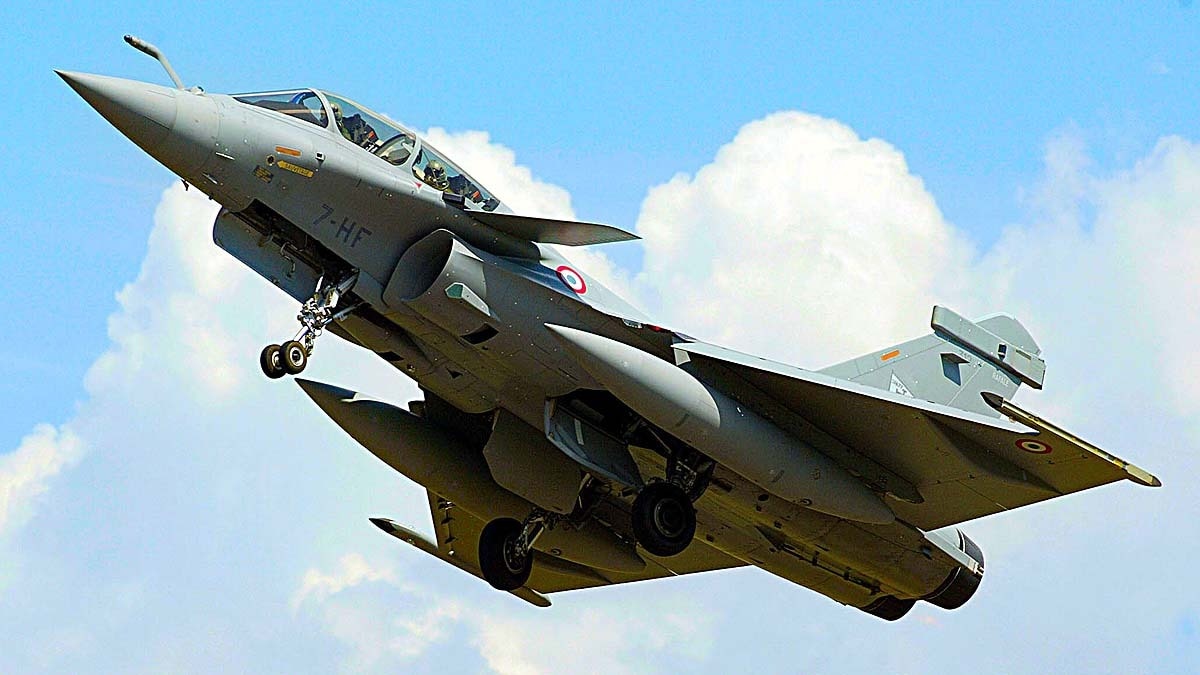
A historic step has been taken towards strengthening the capability of the Indian Air Force (IAF). The Government of India has formally finalized the ‘Letter of Request’ (LoR) for the procurement of 114 Dassault Rafale multi-role fighter jets for the Indian Air Force. This deal, with an estimated cost of about Rs 3.25 lakh crore, is going to be the largest fighter aircraft defense agreement in the history of India.
‘Letter of Request’ (LoR) is an official government document (G-to-G) through which the process of major defense deals is initiated under the Inter-Governmental Agreement (IGA). This official request letter will be formally sent to the French government in the coming weeks.
Also read: Indian Army will get 30,000 indigenous 152 mm artillery shells, Balu Forge gets the contract
related news
90 Rafale aircraft will be made in India under Make in India
The biggest feature of this mega defense deal is its indigenization. According to the proposed agreement, out of the total 114 aircraft, about 90 jet aircraft will be manufactured in India under the Make in India initiative. For this, French aerospace company Dassault Aviation will partner with an Indian private or public sector company.
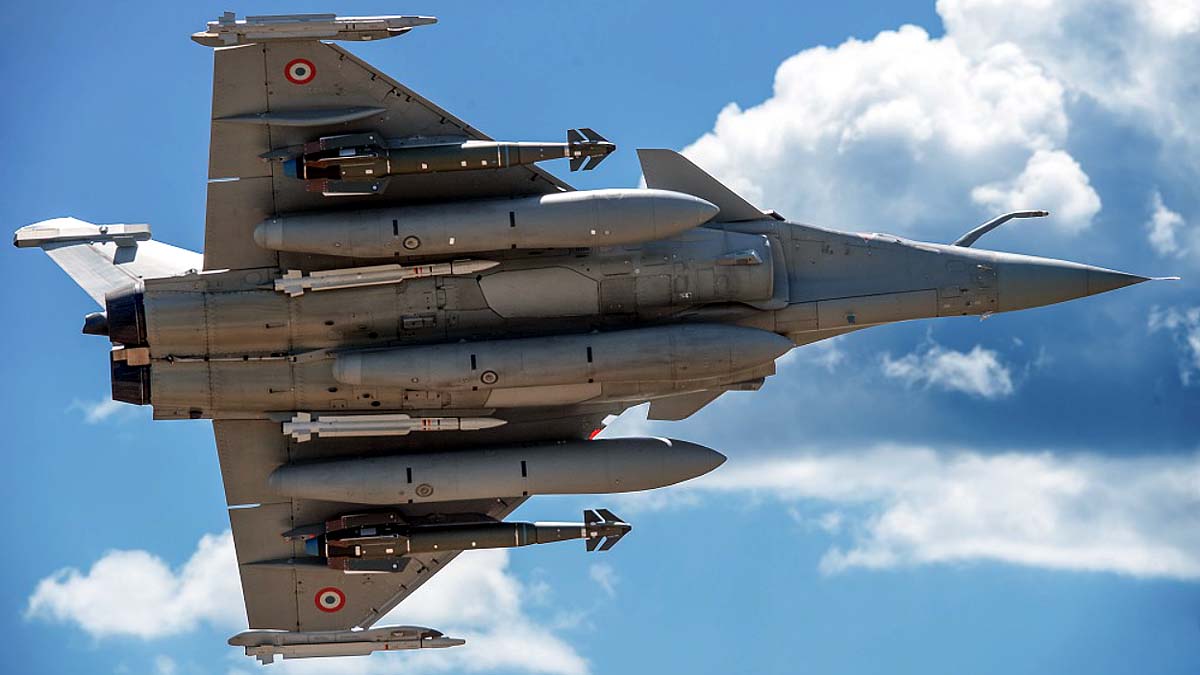
The exact number of aircraft to be manufactured in India may be 92, while the remaining 22 aircraft will be brought to India directly from France in ‘fly-away’ (fully ready) condition. The share of indigenous components and technology in the aircraft to be produced under this deal is expected to be around 50 percent. The main objective of this deal is to handle the decreasing squadron numbers of the Air Force and to make the country’s air security impenetrable.
Air Force Chief’s visit to France: The process will gain momentum
This important development has come at a time when the Chief of the Indian Air Force, Air Chief Marshal A.P. Singh is on a three-day official visit to France from June 1. This visit of the Air Force Chief is being considered very strategic as India takes forward the procurement process of 114 Rafale aircraft.
Also read: Monsoon is 2-3 days late than scheduled, Meteorological Department told this
During his visit, Air Chief Marshal A.P. Singh will meet the top leadership of major defense companies of France. These include Rafale aircraft manufacturing company ‘Dassault Aviation’ and ‘MBDA’, a company manufacturing dangerous missile systems. Defense experts believe that this visit of the Air Force Chief will accelerate the long process of Rafale acquisition.
Further process of the deal: How will the matter progress?
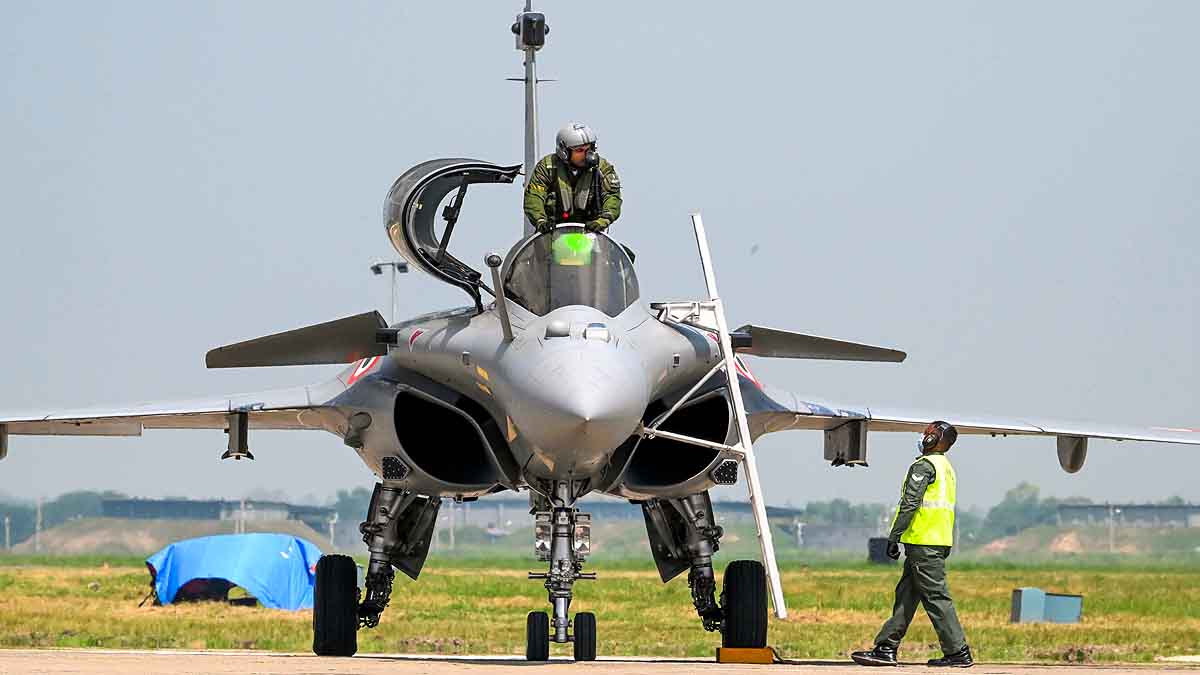
After India sends the ‘Letter of Request’ (LoR), when the French government responds to it, then India will move towards issuing a formal ‘Request for Proposal’ (RFP) for this deal.
- Defense Acquisition Council (DAC) approval: The Defense Acquisition Council (DAC), the apex body of the Defense Ministry, has already given its approval for the purchase of these Rafale aircraft for the Air Force.
- Negotiating price and logistics: Once the French government responds to India’s LoR – detailing the cost of the aircraft, availability timelines and logistics support – negotiations between the two countries will begin on the final price.
- Final seal of CCS: After completion of negotiations between the two countries, it will be mandatory to take final approval from the ‘Cabinet Committee on Security’ (CCS) headed by the Prime Minister before this final contract is signed.
Why is this deal important for the Air Force?
Currently the Indian Air Force is struggling with the decreasing number of its fighter squadrons. According to the accepted rules, the Air Force should have at least 42 fighter squadrons to deal with the security challenges simultaneously on two fronts (China and Pakistan), but at present this number has reduced significantly.
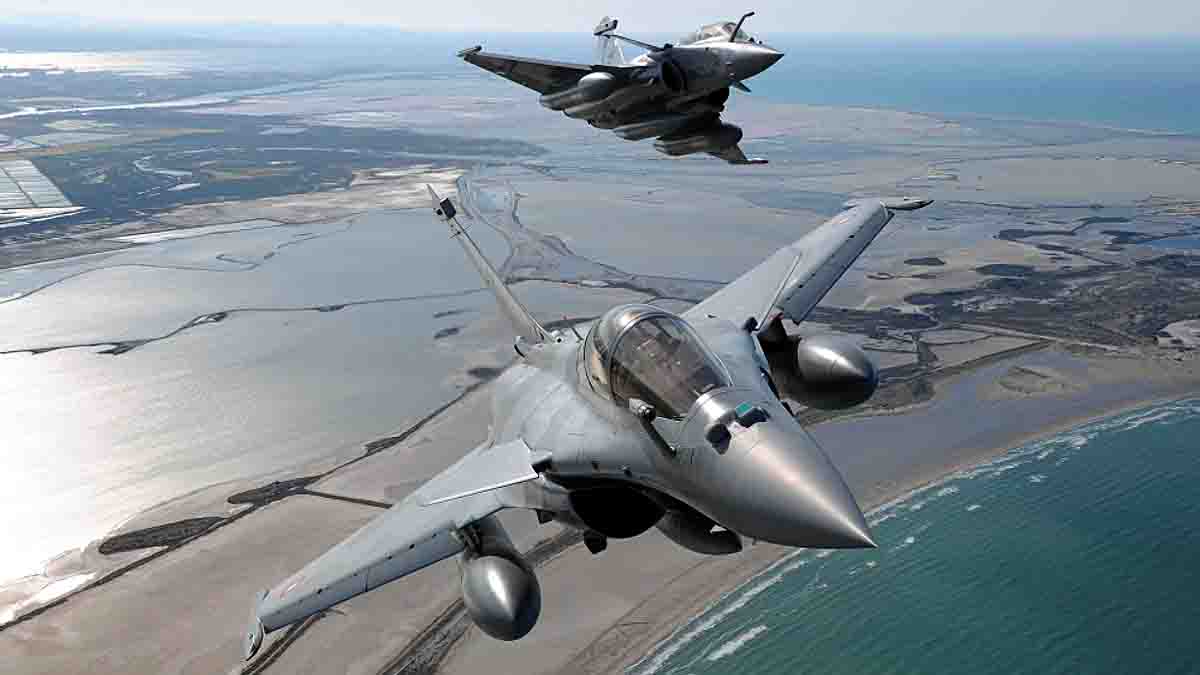
Rafale aircraft are famous across the world for their state-of-the-art radar systems, long-range missiles (such as Meteor and Scalp) and electronic warfare capabilities. The induction of these 114 new Rafale aircraft in the Air Force will not only strengthen the surveillance capability on India’s borders, but will also give the Indian Air Force a strategic edge over neighbors like China and Pakistan.
—- End —-