

November 15, 2026 — 1:00pm
Two years after regulators slammed the brakes on Boeing’s assembly lines, the iconic plane-maker is fighting its way back, improving processes and quality. But its journey back to the top will depend on how things operate on its factory floor – now and far into the future.
The aircraft manufacturing giant is trying to break free from a series of reputation-shattering events. Two fatal crashes in 2018-2019, both involving 737 Maxs, claimed 346 lives and led to the model being temporarily grounded worldwide. Flaws in an anti-stall system were blamed, which led to the company’s then-chief executive being fired.
In 2024, when a door on an Alaska Airlines plane came off mid-flight, regulators moved in, capping the pace of production of 737s, imposing new limits on the program and increased oversight to ensure safety.
Since then the company’s output of 737s – overseen by the Federal Aviation Administration – is being watched around the world, not just because of the enormous backlog of 737s on order but also because Boeing’s production is a bellwether of how well the company’s factories are running.
Boeing currently expects to produce 47 737s a month by early 2027, after previously targeting the northern summer of 2026. It currently produces about 42 a month. Over the long term it hopes to make 52 planes a month. Higher output means more revenue but only if the planes are error-free.
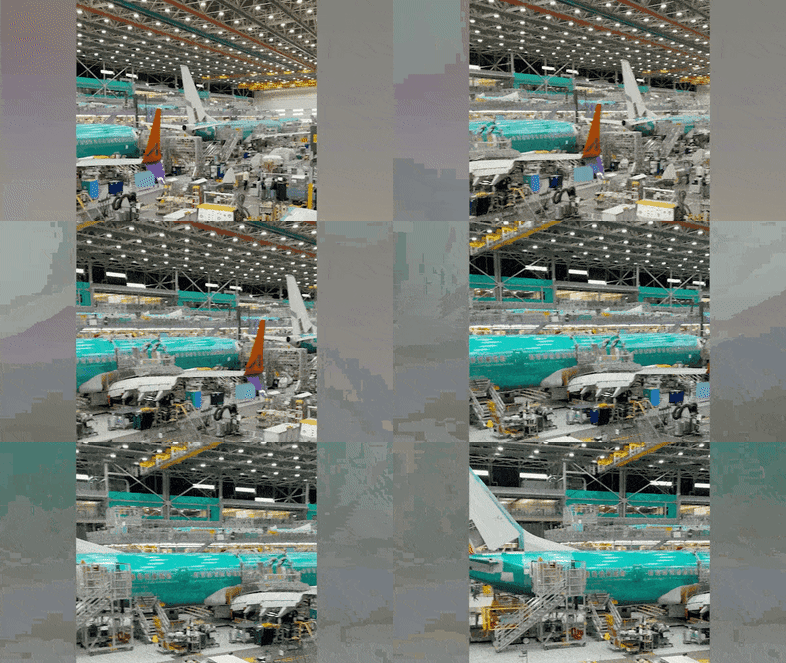
In an industry where attention to detail is everything, the company’s recovery is tied to its Renton, Washington plant, where fuselages enter as massive green tubes and leave as fully kitted-out 737s.
A Boeing 737 Max aeroplane at the company’s manufacturing facility in Renton, Washington. Bloomberg “As you can imagine, lots of our customers, they love this aeroplane, they want more of this aeroplane,” said Bo
Read More