

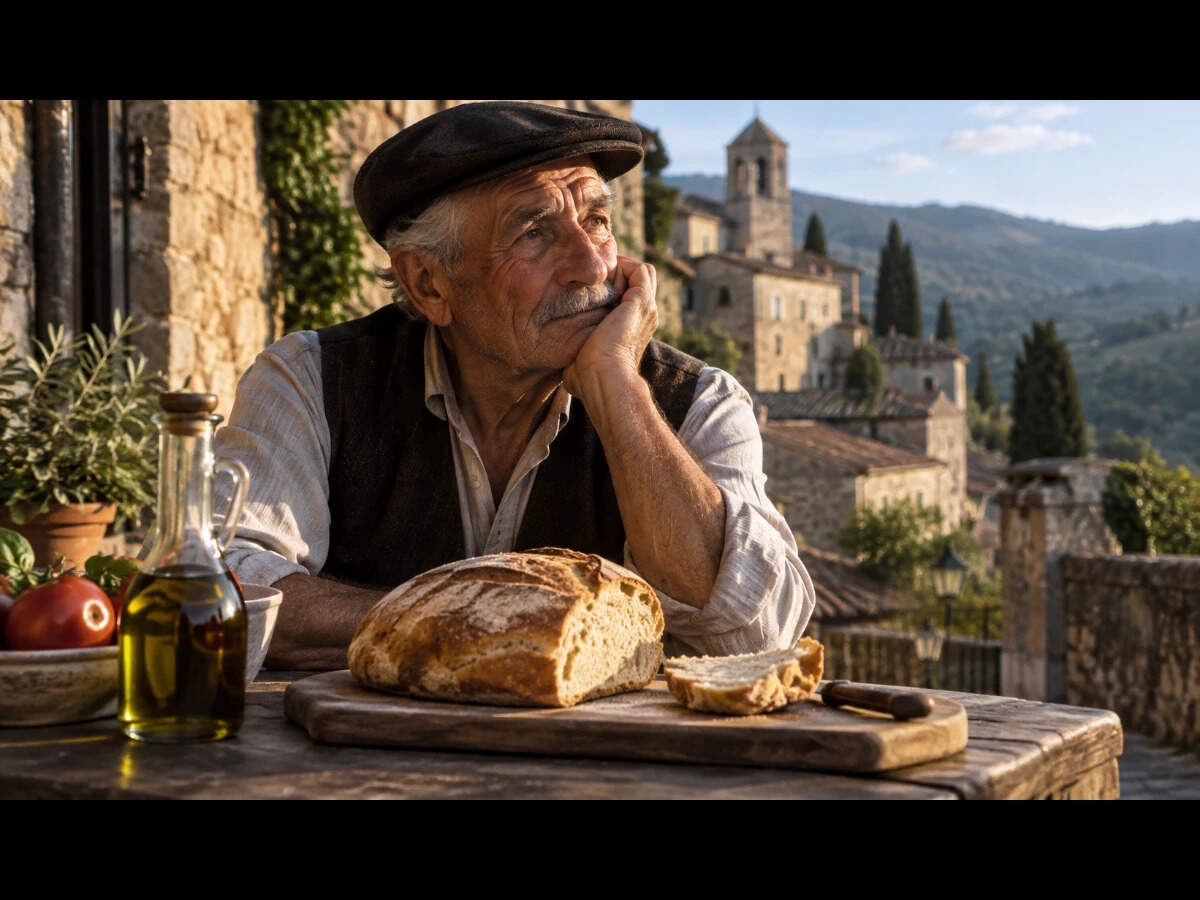
The Italian proverb of the day: “Chi ha il pane non ha i denti, e chi ha i denti non ha il pane,” perfectly captures a harsh reality. It translates directly to: “Those who have bread have no teeth, and those who have teeth have no bread.” Life rarely hands us resources and the capacity to enjoy them simultaneously.
We often possess the endless energy of youth but completely lack financial stability. Years later, we might accumulate wealth and free time. Yet, we then find our physical health rapidly failing. We meet the ideal partner when we are entirely unready for commitment. We receive our dream job offer just as family obligations anchor us elsewhere. These everyday misalignments reflect a broader human experience. We spend our lives chasing a perfect synchronization of timing, resources, and readiness that almost never arrives.
What does this timeless proverb about timing and opportunity mean? The central idea highlights the fundamental asymmetry of human life. People frequently acquire what they desire only after they have lost the ability to fully appreciate it. This mismatch creates a quiet, persistent friction. We constantly negotiate between what we possess and what we can actually use. The proverb uses a stark physical image to illustrate this abstract tragedy. The rigid crust of rustic bread represents opportunity. The teeth represent our capacity to consume that opportunity.
This dynamic creates a profound divide between visible success and hidden reality. Someone might appear to have an absolute abundance of “bread.” They showcase wealth, prestige, or vast amounts of free time to the world. Yet, they may privately lack the “teeth” needed to enjoy these resources. Their hidden struggles could include chronic illness, profound loneliness, or clinical depression. We easily see the feast laid out on their table. We simply cannot see that they are entirely unable to eat.
The main meaning can be understood through three points:
Mismatched timing: Life frequently delivers resources and readiness on complet
Read More